Loading...
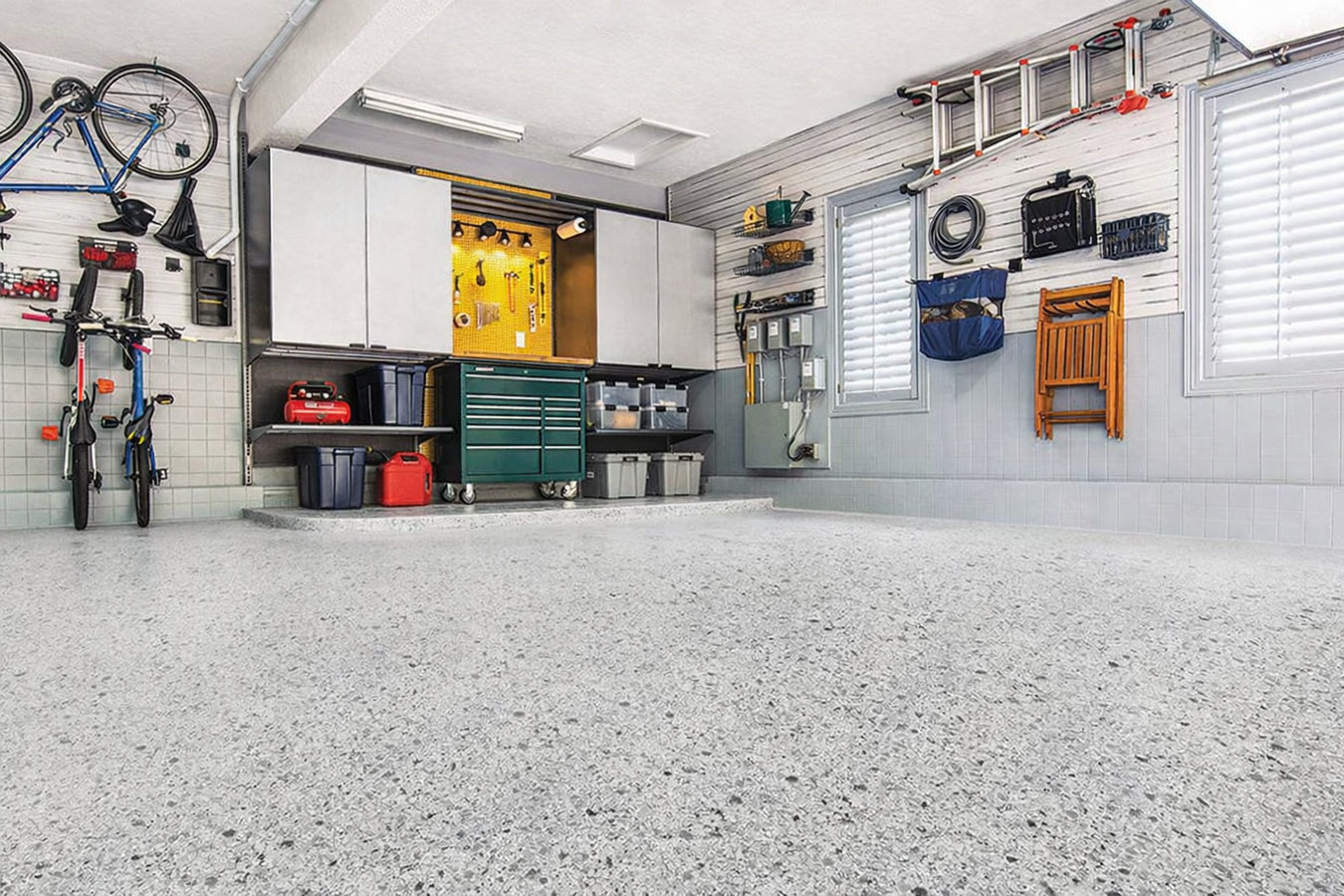
Your garage floor takes more abuse than any surface in your home. We pour it right the first time - proper base, proper reinforcement, proper drainage.
Garage floor concrete in Cerritos means pouring a reinforced slab on properly compacted soil, with control joints and correct drainage slope built in from the start, and most standard two-car garage jobs are complete within one to two days of active work.
Many Cerritos homes were built in the 1960s and 70s, which means the garage floors in those homes are now 50 or more years old. Concrete from that era was often poured thinner and with less reinforcement than current standards - and on clay-heavy soil that has been shifting beneath it ever since. If your floor is cracking, flaking, or sitting uneven, that is not just surface wear. You may also want to explore our decorative concrete options if you want a floor that looks great in addition to holding up.
Call us at (562) 249-2016 or submit an online request and we will get back to you within one business day.
Small hairline cracks in concrete are normal. But if you can fit a pencil tip into a crack, or you have noticed one getting longer or wider, the slab underneath is moving. In Cerritos, clay soils shift with seasonal moisture - and that movement does not stop once cracks start.
If one part of your garage floor sits noticeably higher or lower than another, or you feel a lip where two sections meet, the slab has settled unevenly. This is a tripping hazard and a sign the ground underneath has shifted - something common in Cerritos homes where the original subgrade prep was minimal.
A surface that is breaking apart in small chips, leaving a gritty powder when you sweep, or has shallow holes forming across it has deteriorated at the concrete layer itself. Many Cerritos garage floors from the 60s and 70s are simply worn out - and cleaning or sealing will not fix what is structural.
A properly sloped garage floor directs water toward the door and out. If puddles form in the middle or back of your garage after rain or washing a car, the floor has either settled out of level or was never sloped correctly - and standing water speeds up concrete deterioration.
We handle everything from full slab replacement to resurfacing, depending on what your floor actually needs. Every replacement job starts with demolishing the old slab, preparing and compacting the soil, adding a gravel base, and pouring a new slab with reinforcement and properly cut control joints. If you want to upgrade the look as well as the durability, our decorative concrete service covers epoxy-ready surfaces, exposed aggregate, and stained finishes. For other interior concrete needs, our concrete floor installation work extends the same approach to other areas of your home.
We also address drainage as part of every pour - your floor should slope toward the door so water runs out, not pools against the back wall. That detail matters most in Cerritos during the rainy season, when heavy downpours can put a lot of water into a garage fast.
Best for floors with deep cracks, shifted sections, or 40-plus years of age - we tear out the old slab, prep the base, and pour new concrete.
A good option for structurally sound slabs with surface wear - a fresh layer bonds to the existing concrete and gives you a clean, smooth finish.
Suited to homeowners who want to add a protective coating later - we pour and cure the slab to spec so the epoxy bonds correctly and lasts.
Ideal for garages where water currently pools - we grade the floor correctly during the pour so every drop runs toward the door.
Cerritos was developed largely between 1960 and 1980, which puts most garage floors in the city at 45 to 60 years old. Concrete from that era was often poured thinner and with less internal reinforcement than today's standards call for. Add Cerritos's clay-heavy soil - which expands and contracts with seasonal moisture - and you have the conditions for cracking, uneven settling, and surface deterioration that we see on nearly every street in the city. Homeowners near Cypress and those throughout Lakewood share the same housing stock age and soil conditions, and we work in those areas regularly.
Southern California's warm, dry summers add another challenge: concrete poured on a hot afternoon in July or August can dry at the surface too quickly, before the interior has had time to cure properly, which causes surface cracking before you have even parked in the space. We schedule pours for cooler parts of the day during warm months and use curing practices that give the slab time to harden correctly - not just dry quickly. That discipline makes a real difference in how long your floor holds up in this climate.
We will ask a few basic questions about your garage size and the floor's condition, then schedule a free on-site visit. You will hear back within one business day.
We look at your existing slab, check drainage, assess whether the subgrade needs additional prep, and confirm permit requirements. You get a written price before we schedule anything.
You will need to empty everything out - cars, shelving, storage, bikes. If we are demolishing an old slab, plan for a few hours of noise; closing the door to your home keeps dust from spreading.
We break out the old slab, grade and compact the ground, pour the new concrete, finish the surface, and cut control joints. After the pour, foot traffic is safe in 24 to 48 hours - vehicles need to stay off for at least seven days.
Free on-site estimate. No obligation. We handle the permit from start to finish.
Replacing a garage floor slab in Cerritos requires a Los Angeles County building permit. We handle the permit application and coordinate the inspection so you never have to deal with the county's paperwork. Permitted work also protects your home's value when you sell.
Cerritos sits on expansive clay that moves with moisture. We compact the subgrade and add a proper gravel base before every pour - the same step that is most often skipped on jobs that fail within a few years. You can see the difference when a slab is still flat and crack-free a decade later.
A garage floor that does not slope toward the door will pool water - which accelerates deterioration and is a nuisance every time it rains. We set the slope correctly during the pour, not as an afterthought, so your floor drains the way it should from day one.
California requires a C-8 Concrete Contractor license for this type of work. You can verify our license on the{' '}California Contractors State License Board website before you sign anything.
Every one of these details - the permit, the base prep, the drainage slope - is either skipped or handled poorly on jobs that end up failing early. We do them because they are the difference between a floor that lasts 30 years and one that cracks in five. The American Concrete Institute sets the standards our work is built on.
Add color, texture, or pattern to your garage floor - stamped, stained, or exposed aggregate finishes applied over a properly cured slab.
Learn MoreInterior concrete floor work beyond the garage - from utility rooms to open living spaces that call for a polished or finished concrete surface.
Learn MoreCall us today or submit a request online - we will come out, look at the floor, and give you a written price with no obligation. Slots fill up fast in spring and summer.